Keto is everywhere; it’s the new buzzword, the new favorite among those looking to shed pounds, and the new hate victim of the food-pyramid-spouting-eat-your-whole grains mainstream medical industry. The keto diet, while it is not the magic cure-all for every single disease on the planet, does a pretty dang good job at being the potential causer of healing many horrible conditions. So let’s cut through the science, separate fact from fiction, and look at the benefits of the keto diet.
What is the Keto Diet?
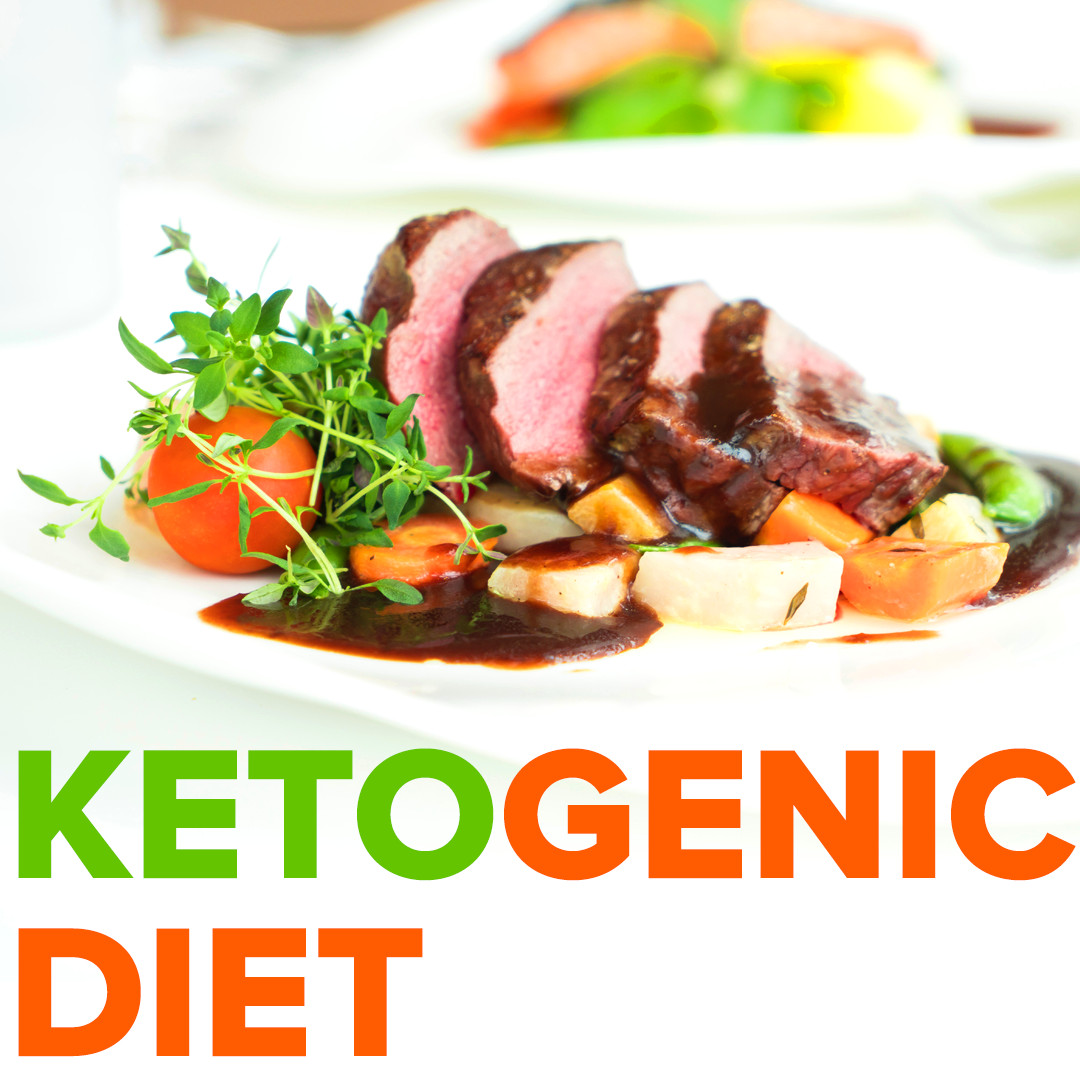
You may have heard of the high-protein, low-carbohydrate Atkins diet. The keto diet keeps carbohydrate levels low, but instead of ramping up the amount of protein in your diet, the keto diet increases the amount of fat. A typical keto diet aims for meals with 75% fat, 20% protein, and 5% carbohydrate. Eating a high-fat diet can still mean eating healthy. Keto diet menu items often include seafood, meat, dairy products, eggs, vegetables, and nuts. With the increased popularity of the keto diet, keto recipes are widely available.
How Does the Keto Diet Work?
It might seem counterintuitive that adding more fat to your diet can lead to weight loss. Normally, your diet is high in carbohydrates, which are broken down into glucose, or blood sugar, for use as energy. As glucose enters your bloodstream, your body releases insulin to store excess glucose as fat. The more carbohydrates, the more glucose. The more glucose, the more insulin, and the more insulin, the more fat.
The keto diet takes advantage of the fact that when your meals are high-fat and low-carbohydrate, there is no insulin spike, and you don’t add to your fat reserves. Instead, fat from the diet and stored fat are broken down to ketones (“keto” is short for “ketogenic” producing ketones). Like glucose, ketones can be used for energy, keeping your body running without increasing blood sugar or putting on excess fat. The benefits of the keto diet can be huge.
Benefit #1: Weight Loss
Okay, so this one isn’t so astounding, but it is one of the most common reasons people embark on the keto diet. So why is weight loss usually so easy on the ketogenic diet instead of other regular diets? For all of the following reasons:
• The keto diet is composed of approximately 75% fat, 20 % protein, and 5% or fewer carbohydrates. The high-fat content and lack of sugar mean diminished cravings, lack of blood sugar swings and binges, and increased satiation. Increased satiation=eating less. Many people also have food sensitivities to grains, even gluten-free ones, so eliminating them may lead to an increased ability to absorb minerals like magnesium and potassium, which in turn means your body is more nourished and you have fewer cravings
• Ketones. When your blood sugar is running low, your body turns to its glycogen stores for energy. Typically glycogen stores house about 2000 calories of “backup” energy for when you run out of glucose. Like the intelligent machine it is, your body depletes the glycogen stores and then turns to your own body fat for fuel.
IMPORTANT: The ketogenic diet is not a free-for-all eat however much cheese or super low-carb fat bomb treats you want to diet. If you are eating way more calories than you need, you will not lose weight. So focus on keeping your diet around fatty cuts of grass-fed meat, butter, eggs, avocados, lots of green veggies and cruciferous, and be modest with the keto desserts, dairy, and sweets.
Benefit #2: Brain Function
A poorly functioning brain, as you may have already experienced, leads to lessened work productivity, which in turn means an unhappy boss, lack of job satisfaction, sugar cravings for energy, and depression. It’s a horrible domino effect. The original ketogenic diet was formulated by Dr. Russell Wilder in the early 20th century to treat epilepsy. The success rate was phenomenal and it is still used today to treat epilepsy and other brain disorders. Research also indicates that ketones are more efficient brain fuel than glucose. (Source: https://www.ncbi.nlm.nih.gov/pmc/articles/PMC5102124/)
If you’re reading this article now, chances are you are in some sort of pain, whether physical and/or mental (being overweight, struggling with autoimmune disorders, thyroid disease, fatigue, brain fog) and want to change. Use this information, don’t just skim through it and store it in the back of your brain and say “that’s nice for some people”, motivate yourself to change.
Pick up any diet book and it will claim to hold all the answers to successfully losing all the weight you want—and keeping it off. Some claim the key is to eat less and exercise more, others that low fat is the only way to go, while others prescribe cutting out carbs. So, what should you believe?
The truth is there is no “one size fits all” solution to permanent healthy weight loss. What works for one person may not work for you, since our bodies respond differently to different foods, depending on genetics and other health factors. To find the method of weight loss that’s right for you will likely take time and require patience, commitment, and some experimentation with different foods and diets.
While some people respond well to counting calories or similar restrictive methods, others respond better to having more freedom in planning their weight-loss programs.
Being free to simply avoid fried foods or cut back on refined carbs can set them up for success. So, don’t get too discouraged if a diet that worked for somebody else doesn’t work for you. And don’t beat yourself up if a diet proves too restrictive for you to stick with. Ultimately, a diet is only right for you if it’s one you can stick with over time.
Remember: while there’s no easy fix to losing weight, there are plenty of steps you can take to develop a healthier relationship with food, curb emotional triggers to overeating, and achieve a healthy weight.
Four popular weight-loss strategies
1. Cut calories
Some experts believe that successfully managing your weight comes down to a simple equation: If you eat fewer calories than you burn, you lose weight. Sounds easy, right? Then why is losing weight so hard?
·Weight loss isn’t a linear event over time. When you cut calories, you may drop weight for the first few weeks, for example, and then something changes. You eat the same number of calories but you lose less weight or no weight at all. That’s because when you lose weight you’re losing water and lean tissue as well as fat, your metabolism slows, and your body changes in other ways. So, to continue dropping weight each week, you need to continue cutting calories.
·A calorie isn’t always a calorie. Eating 100 calories of high fructose corn syrup, for example, can have a different effect on your body than eating 100 calories of broccoli. The trick for sustained weight loss is to ditch the foods that are packed with calories but don’t make you feel full (like candy) and replace them with foods that fill you up without being loaded with calories (like vegetables).
·Many of us don’t always eat simply to satisfy hunger. We also turn to food for comfort or to relieve stress—which can quickly derail any weight loss plan.
2. Cut carbs
A different way of viewing weight loss identifies the problem as not one of consuming too many calories, but rather the way the body accumulates fat after consuming carbohydrates—in particular, the role of the hormone insulin. When you eat a meal, carbohydrates from the food enter your bloodstream as glucose. To keep your blood sugar levels in check, your body always burns off this glucose before it burns off fat from a meal.
If you eat a carbohydrate-rich meal (lots of pasta, rice, bread, or French fries, for example), your body releases insulin to help with the influx of all this glucose into your blood. As well as regulating blood sugar levels, insulin does two things: It prevents your fat cells from releasing fat for the body to burn as fuel (because its priority is to burn off the glucose) and it creates more fat cells for storing everything that your body can’t burn off. The result is that you gain weight and your body now requires more fuel to burn, so you eat more. Since insulin only burns carbohydrates, you crave carbs and so begins a vicious cycle of consuming carbs and gaining weight. To lose weight, the reasoning goes, you need to break this cycle by reducing carbs.
Most low-carb diets advocate replacing carbs with protein and fat, which could have some negative long-term effects on your health. If you do try a low-carb diet, you can reduce your risks and limit your intake of saturated and trans fats by choosing lean meats, fish and vegetarian sources of protein, low-fat dairy products, and eating plenty of leafy green and non-starchy vegetables.
3. Cut fat
It’s a mainstay of many diets: if you don’t want to get fat, don’t eat fat. Walk down any grocery store aisle and you’ll be bombarded with reduced-fat snacks, dairy, and packaged meals. But while our low-fat options have exploded, so have obesity rates. So, why haven’t low-fat diets worked for more of us?
1. Not all fat is bad. Healthy or “good” fats can help to control your weight, as well as manage your moods and fight fatigue. Unsaturated fats found in avocados, nuts, seeds, soy milk, tofu, and fatty fish can help fill you up, while adding a little tasty olive oil to a plate of vegetables, for example, can make it easier to eat healthy food and improve the overall quality of your diet.
2. We often make the wrong trade-offs. Many of us make the mistake of swapping fat for the empty calories of sugar and refined carbohydrates. Instead of eating whole-fat yogurt, for example, we eat low- or no-fat versions that are packed with sugar to make up for the loss of taste. Or we swap our fatty breakfast bacon for a muffin or donut that causes rapid spikes in blood sugar.
4. Follow the Mediterranean diet
The Mediterranean diet emphasizes eating good fats and good carbs along with large quantities of fresh fruits and vegetables, nuts, fish, and olive oil—and only modest amounts of meat and cheese. The Mediterranean diet is more than just about food, though. Regular physical activity and sharing meals with others are also major components.
Whatever weight-loss strategy you try, it’s important to stay motivated and avoid common dieting pitfalls, such as emotional eating.
Control emotional eating
We don’t always eat simply to satisfy hunger. All too often, we turn to food when we’re stressed or anxious, which can wreck any diet and pack on the pounds. Do you eat when you’re worried, bored, or lonely? Do you snack in front of the TV at the end of a stressful day? Recognizing your emotional eating triggers can make all the difference in your weight-loss efforts. If you eat when you’re:
Stressed – find healthier ways to calm yourself. Try yoga, meditation, or soaking in a hot bath.
Low on energy – find other mid-afternoon pick-me-ups. Try walking around the block, listening to energizing music, or taking a short nap.
Lonely or bored – reach out to others instead of reaching for the refrigerator. Call a friend who makes you laugh, take your dog for a walk, or go to the library, mall, or park—anywhere there are people.
Practice mindful eating instead
Avoid distractions while eating. Try not to eat while working, watching TV, or driving. It’s too easy to mindlessly overeat.
Pay attention. Eat slowly, savoring the smells and textures of your food. If your mind wanders, gently return your attention to your food and how it tastes.
Mix things up to focus on the experience of eating. Try using chopsticks rather than a fork, or use your utensils with your non-dominant hand.
Stop eating before you are full. It takes time for the signal to reach your brain that you’ve had enough. Don’t feel obligated to always clean your plate.
Stay motivated
Permanent weight loss requires making healthy changes to your lifestyle and food choices. To stay motivated:
Find a cheering section. Social support means a lot. Programs like Jenny Craig and Weight Watchers use group support to impact weight loss and lifelong healthy eating. Seek out support—whether in the form of family, friends, or a support group—to get the encouragement you need.
Slow and steady wins the race. Losing weight too fast can take a toll on your mind and body, making you feel sluggish, drained, and sick. Aim to lose one to two pounds a week so you’re losing fat rather than water and muscle.
Set goals to keep you motivated. Short-term goals, like wanting to fit into a bikini for the summer, usually don’t work as well as wanting to feel more confident or become healthier for your children’s sake. When temptation strikes, focus on the benefits you’ll reap from being healthier.
Use tools to track your process. Smartphone apps, fitness trackers, or simply keeping a journal can help you keep track of the food you eat, the calories you burn, and the weight you lose. Seeing the results in black and white can help you stay motivated.
Invest in your sleep. Lack of sleep stimulates your appetite so you want more food than normal; at the same time, it stops you feeling satisfied, making you want to keep eating. Sleep deprivation can also affect your motivation, so aim for eight hours of quality sleep a night.
Cut down on sugar and refined carbs
Other harmful supplements are sugar and refined carbohydrates such as white bread, pizza dough, pasta, pastries, white flour, white rice, and sweetened breakfast cereals. Replacing refined carbs with their whole-grain counterparts and eliminating candy and desserts is only part of the solution, though. Sugar is hidden in foods as diverse as canned soups and vegetables, pasta sauce, margarine, and many reduced fat foods. Since your body gets all it needs from sugar naturally occurring in food, all this added sugar amounts to nothing but a lot of empty calories and unhealthy spikes in your blood glucose.
Less sugar can mean a slimmer waistline
Calories obtained from fructose (found in sugary beverages such as soda and processed foods like doughnuts, muffins, and candy) are more likely to add to fat around your belly. Cutting back on sugary foods can mean a slimmer waistline as well as a lower risk of diabetes.
Fill up with fruit, veggies, and fiber
Even if you’re cutting calories, that doesn’t necessarily mean you have to eat less food. High-fiber foods such as fruit, vegetables, beans, and whole grains are higher in volume and take longer to digest, making them filling—and great for weight-loss.
It’s generally okay to eat as much fresh fruit and non-starchy vegetables as you want—you’ll feel full before you’ve overdone it on the calories.
Eat vegetables raw or steamed, not fried or breaded, and dress them with herbs and spices or a little olive oil for flavor.
Add fruit to low sugar cereal—blueberries, strawberries, sliced bananas. You’ll still enjoy lots of sweetness, but with fewer calories, less sugar, and more fiber.
Bulk out sandwiches by adding healthy veggie choices like lettuce, tomatoes, sprouts, cucumbers, and avocado.
Snack on carrots or celery with hummus instead of high-calorie chips and dip.
Add more veggies to your favorite main courses to make your dish more substantial. Even pasta and stir-fries can be diet-friendly if you use fewer noodles and more vegetables.
Start your meal with salad or vegetable soup to help fill you up so you eat less of your entrée.
Take charge of your food environment
Set yourself up for weight-loss success by taking charge of your food environment: when you eat, how much you eat, and what foods you make easily available.
Cook your meals at home. This allows you to control both portion size and what goes into the food. Restaurant and packaged foods generally contain a lot more sugar, unhealthy fat, and calories than food cooked at home—plus the portion sizes tend to be larger.
Serve yourself smaller portions. Use small plates, bowls, and cups to make your portions appear larger. Don’t eat out of large bowls or directly from food containers, which makes it difficult to assess how much you’ve eaten.
Eat early. Studies suggest that consuming more of your daily calories at breakfast and fewer at dinner can help you drop more pounds. Eating a larger, healthy breakfast can jump-start your metabolism, stop you feeling hungry during the day, and give you more time to burn off the calories.
Fast for 14 hours a day. Try to eat dinner earlier in the day and then fast until breakfast the next morning. Eating only when you’re most active and giving your digestion a long break may aid weight loss.
Plan your meals and snacks ahead of time. You can create your small portion of snacks in plastic bags or containers. Eating on a schedule will help you avoid eating when you aren’t truly hungry.
Drink more water. Thirst can often be confused with hunger, so by drinking water, you can avoid extra calories.
Limit the number of tempting foods you have at home. If you share a kitchen with non-dieters, store indulgent foods out of sight.
Get moving
The degree to which exercise aids weight loss is open to debate, but the benefits go way beyond burning calories. Training can increase your metabolism and improve your outlook—and it’s something you can benefit from right now. Go for a walk, stretch, move around and you’ll have more energy and motivation to tackle the other steps in your weight-loss program.
Lack of time for a long workout? Three 10-minute spurts of exercise per day can be just as good as one 30-minute workout.
Remember: anything is better than nothing. Start slowly with small amounts of physical activity each day. Then, as you start to lose weight and have more energy, you’ll find it easier to become more physically active.
Find an exercise you enjoy. Try walking with a friend, dancing, hiking, cycling, playing Frisbee with a dog, enjoying a pickup game of basketball, or playing activity-based video games with your kids.
Keeping the Weight Off
You may have heard the widely quoted statistic that 95% of people who lose weight on a diet will regain it within a few years—or even months. While there isn’t much hard evidence to support that claim, many weight-loss plans indeed fail in the long term. Often that’s simply because diets that are too restrictive are very hard to maintain over time. However, that doesn’t mean your weight loss attempts are doomed to failure. Far from it.
Since it was established in 1994, The National Weight Control Registry (NWCR) in the United States, has tracked over10,000 individuals who have lost significant amounts of weight and kept it off for long periods. The study has found that participants who’ve been successful in maintaining their weight loss share some common strategies. Whatever diet you use to lose weight in the first place, adopting these habits may help you to keep it off:
Stay physically active. Successful dieters in the NWCR study exercise for about 60 minutes. I recommend the HIP FLEXORS PROGRAM (you can read about it in another article). If you are at the age of 40 or above, I recommend the STRONG 40 program.
Keep a food log. Recording what you eat every day helps to keep you accountable and motivated.
Eat breakfast every day. Most commonly in the study, it’s cereal and fruit. Eating breakfast boosts metabolism and staves off hunger later in the day.
Regularly check the scale. Weighing yourself weekly may help you to detect any small gains in weight, enabling you to promptly take corrective action before the problem escalates.
Eat more fiber and less unhealthy fat than the typical American diet.
Watch less television. Cutting back on the time spent sitting in front of a screen can be a key part of adopting a more active lifestyle and preventing weight gain.
I’ve never had the impulse to write a review for a product before. I figure people will discover for themselves how good something is without my help. But after trying the Leptitox supplements this changed; I knew I had to help other people understand what this product offers since it gave me what I had been after for years.
I personally didn’t find Leptitox because of a review, I found it because I was desperate. I had been struggling with my weight since I was a teenager and after a few decades had had enough. I had been on every diet imaginable (low-fat, low-carb, fruit fasting… I tried everything) as well as various health products and workout programs. I spent time and money on things I hoped would change me. So I came to Leptitox with a LOT of skepticism and a baggage-load of disappointment.
The fact they offered a 60-day money-back guarantee made the decision to purchase a lot easier. Less to lose. I’m so glad they chose to offer the program this way, since it made it more appealing for someone like me who really couldn’t emotionally deal with another thing which felt like it just took my money, without even delivering the results.
When you buy the program you automatically get the 60-day money-back guarantee. I already took a few basic supplements (a multi-vitamin and vitamin D—for the cloudy Washington days) and just slipped the Leptitox supplement alongside these, so it wasn’t that hard for me to remember to take them. If you’re new to taking supplements you may need to set an alarm on your phone etc, but this wasn’t an issue for me. It was easy to remember to take them, I just left the bottle out on the surface with my other vitamins.
I guess their effect could be considered magic, but they’re that way for a reason—for a scientific reason—that’s what creates the change. First of all, they’re 100% natural. That made me feel better right off the bat. They’re mainly composed of herbs, with a spice or two, and a couple of “science-y” sounding amino acids thrown in for good measure.
These 22 ingredients work together to do 3 things: help the body detox, control the appetite and promote healthy weight loss. The daily dosage is 2 capsules taken once a day, and you’re supposed to take those 2 capsules 20-30 minutes before you eat. For me, it was easiest to take this dose first thing in the morning—my work schedule is too erratic to have it later in the day. I would have it before breakfast, and this really worked for me. It was easy to remember: I got out of bed and pretty much took the capsules then and there, then I could just get on with my day, not having to remember it again. Pretty easy.
Before Leptitox I had no clue about how EDC’s—endocrine-disrupting chemicals—disturb the way my body works, I didn’t even know they existed! (Which kind of made me wonder about why society doesn’t make a bigger deal of them… but anyway….)
They mess with the body in a major way and they’re found in so many things around us, things we could consider “safe” or “inert.”
Now that I’ve mentioned results… (if you’ve stuck with my review this far you’re probably wondering what they are.) I achieved more than I thought would be possible for me. The first week I lost 2-3 pounds; encouraging, but I still passed it off as circumstantial thinking next week I’d be back at my regular weight. Long story short: at the end of the 60-day money-back guarantee period I had lost 17lbs, and in another 60 day period I had reached a 32lbs loss! To say I was thrilled would be an understatement.
Most diet protocols call for extreme deprivation and punishing workouts. With Leptitox I didn’t have to do any of that. Now, did it take no effort at all? No, I had to be dedicated to taking the supplements, and address and fix the weak areas of my lifestyle which added unnecessary toxicity. I had to think about what I was doing, but did I have to run myself into the ground? Not at all.
This program gave me the body I never had (or at least hadn’t had since my early teens.) If I can inspire you to take a chance—like I did—and try Leptitox for yourself I really hope I’ve done that. Now that I’ve experienced what I have I can say that taking the risk and trying “one more thing” is worth it. Even after a string of failed diets and weight loss plans please don’t give up on yourself. Change is possible. It happened for me and it turned my life around.
For many of us, the sight of a freshly glazed doughnut can feel like falling in love and coming home to a pack of unopened cookies can feel like the adult version of Christmas morning. There’s something about sugar that hooks us and keeps reeling us in again and again. Whether we like it or not sugar has a major hold on us.
If you’re reading this it’s highly likely you understand and have the first-hand experience, of this allure. Sugar isn’t just confectionery, it’s a compulsion; there is no such thing as stopping after “just one.” I mean, if one is good, more is better. At least that’s what it feels like with the sweet stuff.
We are given many reasons for our sugar cravings: pleasure-seeking brain circuits, intestinal parasites, mineral deficiencies, malnutrition, habitual behavior, unbalanced diets, too much salt, buried emotional issues, lack of sleep, stress…. and my favorite, lack of discipline. We are not at a loss for reasons for our addiction to sugar, yet knowing isn’t enough to change us or our behavior. If knowing was enough we would all be winning gold medals and gold stars in every area of our life. If anything, knowing just makes it feel worse… we know better so why aren’t we doing better? Knowing becomes just another reason for us to feel bad about ourselves.
The next step to knowing is to try and do something about it. We take matters into our own hands and attempt to turn our sugar-loving switch from on to off. This is not a painless process, and just when we feel we’re making ground something happens to throw us off and we’re on a mission to hunt down any sugar we can find and back at the start.
When we decide to target our sugar dependency, we attack the sugar itself, we clear the pantry, empty the house of all products and declare sugar the enemy. And this is fine… except it doesn’t work. When we create an action plan like this, we’re a few steps too far ahead and facing the wrong direction. We don’t address what’s happening.
The key: target the true problem, not the side-effect of the problem. And sugar cravings are the side-effect, they’re the symptom of the real problem, and treating symptoms never makes the problem resolved. The only way to create true, long-standing change is to address the root cause…. otherwise you’re just wasting your time and prepping yourself for another future sugar-binge.
What is the root cause? Leptin resistance. One way to target leptin resistance is with a product called leptitox, a blend of 22 all-natural ingredients that work with your body to reverse leptin resistance and its effects. When leptin resistance occurs in our body we have a malfunctioning system. This malfunction will produce troublesome symptoms. Not only does leptin resistance increase hunger but it creates cravings! That’s a recipe for disaster! Not only will you be hungry but you’ll be hankering after the worst foods imaginable…
We may have blamed everything else under the sun for our inability to stop reaching for the next cookie… everything but leptin resistance. If you want to see real movement and change you’ll need to target leptin resistance and do something to “fix” it.
Leptitox is just the way to address the growing problem of leptin resistance since it has been created to target and address it. Leptitox is a blend of 22 carefully selected herbs, amino acids, and vitamins with the ability to help your body address the real cause of leptin resistance. It will change everything you thought you knew about weight loss.
What Is Leptin Resistance?
Before we saw the world as a globe spinning in the vast expanse of space we once believed it was flat and the sun revolved around us.
Before we knew the dangers of mercury—as a neurotoxin and overall health no-no—it was once considered the go-to treatment for a host of medical conditions, for everything from syphilis to parasites.
Before we had modern health-conscious cosmetics women would adorn themselves with lead-filled face paint and wash their skin with ammonia. They would slowly poison themselves but were convinced it was essential for true beauty.
The knowledge we have gained over the years has not come without a fair share of innocent misunderstandings, but thankfully, as we know more we are able to make more informed choices based on actual science, on truth, on what works. It is crucial we build our actions on a foundation of truth.
Our beliefs about weight loss have centered around constantly shifting paradigms. Throughout the decades we have blamed various things for our inability to lose weight and keep it off – high-fat foods, carbohydrates, calories, lack of motivation, genetics, etc. We have, in a way, being the people who thought the sun orbited us.
Deep down we may sense there’s another reason for our inability to control our appetite and our expanding waistline, but just don’t know what it is. If you look at the diet and health industry we have created you’ll see the answers we’re fed about the obesity epidemic. We are supplied with new “answers” and “solutions” all the time, and so—full of hope—we try them, only to be disappointed when we end up back where we started.
What if I told you the health industry has got it all wrong?
What if I were to tell you that we actually have the solution for why you have gained weight and been unable to lose it?
Would you believe me?
If you’re anything like the people I’ve just described, the people who have trusted the “answers” and “solutions” in the past, probably not. You may be burnt out on hope. Yet, you are reading these words so there must be some trace of hope left, and I want to work with that tiny bit of remaining hope to change your life. And I mean it.
We’re here to show you a new way, to point you in the direction of the actual cause of your weight gain. No more blaming the wrong thing, looking in the wrong direction, no more wasting your time.
The Real Cause
This new direction starts with something called leptin. Never heard of leptin before? You’re not the only one. This hormone is a lesser-known player in our hormonal system (which is sad since it is responsible for so much within our body.) Did you know leptin helps regulate bone mass, the menstrual cycle, the synthesis of thyroid hormones, our appetite, and metabolism? And this is just scratching the surface.
Leptin is known as the “obesity hormone” and the “fat hormone.” A pretty big clue for what it’s responsible for.
When our body operates faultlessly, like a well-oiled machine, leptin would be produced by your body’s fat cells and communicate with the hypothalamus (in our brain) via the bloodstream. The amount of leptin would determine whether the body stores fat or loses it, “a minor increase in leptin concentration reduces the appetite and leads to a decrease in body weight.”(1) This is how things are supposed to work: a high level of leptin in the body informs your brain that there is enough fat stored, you are not starving—you will survive – and so your appetite is switched off and you burn more fat. Similarly, if your body fat were to decrease, leptin should follow suit and diminish, signaling to your brain to stop burning fat—to store the fat you have—to increase your appetite and prompt you to eat.
This is how things are supposed to function. But what happens when something interrupts the balance which our body is meant to keep? That’s when leptin resistance occurs, and this leptin resistance is the reason for our fruitless (yet well-intentioned) attempts to take control of our health and body. Once you are leptin resistant you won’t lose the weight no matter how little you eat or how much exercise you do.
Thankfully, there is a way out. Your life doesn’t need to be ruled by leptin resistance, there is something you can do. Real results. Real science. No wishing for the best. And this is where we come in. If you’ve had enough of the endless trying and disappointment, if you’ve had enough of feeling like a prisoner in your body and a prisoner to food then a product called Leptitox may help. It is a ground-breaking supplement program that addresses the root cause and breaks the devastating cycle of weight gain once and for all.
Here you will find answers, you will get relief, and you will have a plan of action that works.
In January 2019, an extensive report about nutrition recommendations was published by an international committee of scientists from around the world: Switzerland, Zimbabwe, India, Pakistan, and United States, headed by one of the renowned researchers in nutrition, Walter Willett of the Harvard University School of Public Health. Usually, such reports published by international organizations, such as the “World Health Organization“, but in this case, it’s an initiative of “Lancet Medical Journal“, which is quite rare.
The major innovation of the report lies in his scope, and the writers’ attempt to discuss other topics, besides nutritional and health issues, such as the impact of our diet on the environment, which is customarily less mentioned. In fact, despite the authors’ attempt to provide some sort of general guidelines that each person can use anywhere, they emphasize that each country needs its guidelines.
The recommendation – eat less meat, but loads of legumes
The main recommendation of the report is to eat more vegetarian ingredients than beef. It’s worth mentioning that this reform is not new. As early as 2015, the US Department of Agriculture recommends more vegetarian-based food. The report calls for large scale changes on a global magnitude to lessen the burden on the environment and health systems and to balance global consumption. This means, for example, a 50% reduction of beef consumption in some areas while raising it in others. It also recommends increasing the intake of vegetables, fruits, nuts, and legumes. According to the authors, such changes would save the lives of 11 million people every year.
The report overlapping with other UN global recommendations. For example, it is correlated with the recommendations on widespread investments in preliminary prevention of disease and disorders through promoting education methods of food consumptioning. Another way is by cultivating sustainable agriculture that contains less harmful fertilizers and reducing greenhouse emissions.
The report offers consumption of 2,500 kcal per day. This consumption indicates possible ranges allowed for each food group. For instance, it’s allowed 811 calories per day of grains (rice, corn, wheat, etc.), which means 230 grams per day. On the contrary, it’s recommended to eat only 7 grams of beef per day, 7 grams of pork, 29 grams of chicken, 13 grams of eggs and 28 grams of fish. If we sum them all up, we will get about 100 grams of meat per day. Instead of meat, the report encourages a large number of legumes, 50 grams per day before cooking, 25 grams of soybeans before cooking and 25 grams of peanuts. The report does not include distribution to major food groups, an analysis of the recommendations implies that the daily consumption based on 55% carbohydrates, 15% protein, and 30% fat.p
The environmental effects of our current dietary patterns
Most of the report deals with the environmental impacts of current dietary patterns. The recommendations refer to the fact that a carnivore’s diet requires more soil to grow animal food, and thus involves more greenhouse emissions. moreover, it includes more acidity in the ground and more Eutrophication, which means an overgrowth of algae due to the enrichment of soils in phosphorus and nitrogen, as a result of fertilizers. The main player in all of the above is beef, while the impact of poultry and fish on these trends is smaller, and vegetarian foods as the least.
The article’s conclusions call for a major dietary change that combines several different factors and depend on the unique characteristics of each state. Researchers suggest investing more resources in scientific research related to this and influencing governments to legislate and make decisions based upon strategies that will lead to the necessary major nutritional change, i.e. beyond sustainable nutrition.
My critic
In my opinion, the report’s proposals are incomplete. The main idea fo the article is to favor any dietary pattern that doesn’t contain a lot of sugar and fat in it, which means, any diet that doesn’t emphasize ultra-processed foods. apart from that, the committee also addressed the scientific basis of these dietary patterns. but, the article lacks a list of recommended diets for the public, due to the large disparities between each state. To the simple reader, it seems as if the report is meant to the politicians and not for the common people.
furthermore, although this is an interesting initiative, the report has made by an independent journal and no organization is obligated to accept its proposals. Nevertheless, the report published by a well-known journal and renowned researchers in the field, so it may be that in the next few years we will hear about health agencies in the world that will adopt some conclusions or all of them.
To sum up, the demand for a major dietary shift will undoubtedly require widespread adaptation of a significant portion of the world’s population, so it is highly doubtful that such a change will occur soon.
I’ll bet that all of you out there did crunches, hoping for a six-pack or a flat belly like those two:
And I’ll bet you another thing – some of you are having terrible backaches, EVEN WHILE RESTING! and you tried about everything.
But while in theory the crunch is perceived to be a simple, relatively safe exercise this is not necessarily the reality.
The problem is that most people do not perform the movement properly placing them at risk for injury. The risk and likelihood of injury increase exponentially as the crunch movement is made more complex or challenging by adding weights exercise balls or other apparatuses.
There is a simple solution that does not includes surgeries or medicines. The solution is called FIX MY BACK PAIN program. This program is offering you ways to solve your backaches, improve your back and core with only 10-15 minutes of exercises per day!
I encourage you to press this link below, read the article (I’m sure you may be surprised by some of the discoveries you find there), and start investing in your body accurately.
Moreover, the FIX MY BACK PAIN’s price is currently only 19$! ORDER NOW and claim the entire system (worth $479) + GREAT BONUSES BELOW for a one-time payment of $19.
Are you facing difficulties to lose weight? Are you doing every diet recommended by every health website or magazine?
If you do and you still haven’t succeeded I urge you to stay and finish the article that could change your rest of your life. If this sentence isn’t sufficient I promise that you will be rewarded if you stay till the very end.
According to my study, you have to both manage your diet and maintaining active life, meaning workout every week.
First I will introduce tips on eating healthier and more organize and then I will recommend you on workout program that can do miracles to your health and your mood.
HEALTHY DIET
Eating mindfully
Mindful eating is a practice where people pay attention to how and where they eat food. If you will be aware to what you eat, it may enable you to enjoy the food you eat and maintain a healthy weight.
Most people have busy lives, so they often tend to eat quickly on the run. As a result, you barely aware of the food you are eating.
Here are few Techniques for mindful eating that I recommend implementing in your next meals:
A) Sitting down to eat, preferably at a table: Pay attention to the food and enjoy the experience.
B) Avoiding distractions: Do not eat while watching TV, or working in the laptop or phone.
C) Eating slowly: Take time to chew and savor the food. This technique helps givers the brain enough time to recognize the signals that they are full, which can help to prevent over-eating.
D) Making considered food choices: Choose foods that are full of nourishing nutrients and those that will make you full for hours.
Eating protein for breakfast
Protein can regulate appetite hormones to help people feel full. This is mostly due to a decrease in the hunger hormone ghrelin and a rise in the satiety hormones peptide YY, GLP-1, and cholecystokinin.
Research on young adults has also demonstrated that the hormonal effects of eating a high-protein breakfast can last for several hours.
So, invest more minutes in your breakfast routine and enjoy a healthier and more satisfying meal.
Here is a list of 14 foods that are high in protein:
Greek yogurt, also called strained yogurt, is a very thick type of yogurt. Protein content: Non-fat Greek yogurt has protein at 48% of calories. One 6-ounce (170-gram) container has 17 grams of protein, with only 100 calories.
Just make sure to choose one without added sugar. Full-fat Greek yogurt is also very high in protein, but contains more calories.
Similar Options
Regular full-fat yogurt (24% of calories) and kefir (40%).
When you’re pressed for time and unable to cook, a protein supplement can come in handy.
Protein content: Varies between brands. Can go over 90% of calories, with 20-50 grams of protein per serving.
13. Brussels Sprouts
The Brussels sprout is one of the healthiest foods you can eat, and is very high in fiber, vitamin C and other nutrients.
Protein content: 17% of calories. Half a cup (78 g) contains 2 grams of protein, with 28 calories.
14. Peanut
Peanuts are incredibly delicious.
They are high in protein, fiber, magnesium and many studies show that they can help you lose weight.
Peanut butter is also high in protein, just make sure not to eat too much as it is quite “more-ish.”
Protein content: 16% of calories. One ounce (28 g) has 7 grams, with 159 calories.
Cutting back on sugar and refined carbohydrates
The Western diet is increasingly high in added sugars, and this has definite links to obesity.
Refined carbohydrates are heavily processed foods that no longer contain fiber and other nutrients. These include white rice, bread, and pasta.
These foods are quick to digest, and they convert to glucose rapidly.
Excess glucose enters the blood and provokes the hormone insulin, which promotes fat storage in the adipose tissue. This contributes to weight gain.
Where possible, you should swap processed and sugary foods for more healthful options.
Good food swaps include:
A) whole-grain rice, bread, and pasta instead of the white versions.
B) fruit, nuts, and seeds instead of high-sugar snacks.
C) herb teas and fruit-infused water instead of high-sugar beverages
D) smoothies with water or milk instead of fruit juice.
Eating plenty of fiber
Fiber has enormous benefit of leaving your stomach undigested and ends up in your colon, where it feeds friendly gut bacteria, leading to various health benefits.
The recommended daily intake is 25 grams for women and 38 grams for men (6).
percentage (%) of fiber per weight.
Here are 22 high-fiber foods that are both healthy and satisfying (in parenthesis percentage (%) of fiber per weight).
1. Pears (3.1%)
Fiber content: 5.5 grams in a medium-sized pear, or 3.1 grams per 100 grams (8).
2. Strawberries (2%)
Fiber content: 3 grams in one cup, or 2 grams per 100 grams. This is very high given their low calorie content (9).
3. Avocado (6.7%)
Fiber content: 10 grams in a cup, or 6.7 grams per 100 grams (10).
4. Apples (2.4%)
Fiber content: 4.4 grams in a medium-sized apple, or 2.4 grams per 100 grams (11).
5. Raspberries (6.5%)
Fiber content: One cup contains 8 grams of fiber, or 6.5 grams per 100 grams (12).
6. Bananas (2.6%)
Fiber content: 3.1 grams in a medium-sized banana, or 2.6 grams per 100 grams (13).
7. Carrots (2.8%)
Fiber content: 3.6 grams in one cup, or 2.8 grams per 100 grams. This is very high given their low calorie content (14).
8. Beets (2.8%)
Fiber content: 3.8 grams per cup, or 2.8 grams per 100 grams (16).
9. Broccoli (2.6%)
Fiber content: 2.4 grams per cup, or 2.6 grams per 100 grams (17).
10. Artichoke (8.6%)
Fiber content: 10.3 grams in one artichoke, or 8.6 grams per 100 grams (18).
11. Brussels Sprouts (2.6%)
Fiber content: 4 grams per cup, or 2.6 grams per 100 grams (19).
Other High-Fiber Vegetables
Almost all vegetables contain significant amounts of fiber. Other notable examples include kale (3.6%), spinach (2.2%) and tomatoes (1.2%).
12. Lentils (7.9%)
Fiber content: 15.6 grams per cup of cooked lentils, or 7.9 per 100 grams (20).
The chickpea is another type of legume that’s loaded with nutrients, including minerals and protein.
Fiber content: 12.5 grams per cup of cooked chickpeas, or 7.6 per 100 grams (23).
Other High-Fiber Legumes:
Most legumes are high in protein, fiber and various nutrients. When properly prepared, they’re among the world’s cheapest sources of quality nutrition.
Other high-fiber legumes include black beans (8.7%), edamame (5.2%), lima beans (5.3%) and baked beans (5.5%).
Fiber content: 3.4 grams per ounce, or 12.5 grams per 100 grams (29).
20. Chia Seeds (34.4%)
Fiber content: 10.6 grams per ounce of dried chia seeds, or 34.4 grams per 100 grams (30).
Other High-Fiber Nuts and Seeds:
Most nuts and seeds contain significant amounts of fiber. Examples include coconuts (9%), pistachios (10%), walnuts (7%), sunflower seeds (8.6%) and pumpkin seeds (18.4%).
Summary
It is important to remember that there are no shortcuts when it comes to weight loss.
The best way to reach and maintain a healthy weight is to eat a nutritious, balanced diet.
This should include 10 portions of fruit and vegetables, good-quality protein, and whole-grains. It is also beneficial to exercise for at least 30 minutes 3 days every week, which I will introduce now.
EXERCISE REGIME
The benefits of from regular exercise is astounding and life changing. It only takes to one to search the web and encounter thousands of researchers that urge to maintain exercise regime both for your mental and physical health. These benefits include the following:
Increased energy and stamina.
Improved sleep.
Increased interest in sex.
Better endurance.
Improvement in mood.
Weight reduction.
Stress relief.
Reduced tiredness that can increase mental alertness.
Reduced cholesterol and improved cardiovascular fitness.
WITH EXERCISING THE HIP FLEXORS PROGRAM YOU CAN ACHIEVE ALL THOSE BENEFITS
Exactly how to target those hard-to-reach muscles with detailed, step-by-step walk-through videos of every single Key Move (simple, clear demonstration of each and each move will help them become second nature in no time).
The No.1 single most important element of human body posture and why your hips hold the key to peak performance (if this fails, your performance is drastically affected whether running, walking or even just standing).
The true impact of your body’s “Mighty Muscle” and how it is really affecting your physical, emotional and spiritual well being (you’ll be shocked how big an impact this has on your everyday life).
How your body’s natural survival response has been tricked into permanent “danger” mode, and how you can switch it off to see faster fat loss and more energy (the reasoning behind this is crazy, but completely true).
The main causes for your psoas muscle to change structure, a major danger sign for your body (any change, however minimal, has an overwhelming impact that ripples across your body causing other muscle groups to compensate).
Why you’re just as likely to be affected by this problem if you’re a balls-to-the-wall gym rat training 24/7 or a couch potato.
Why, if you have a desk job or drive a car for long periods, you need to act NOW.
The shocking reason your intense core workouts could be doing more harm than good if you haven’t loosened your hips first (and why crunches and sit-ups won’t do a thing to help).
Why strong legs and glutes are important to your overall health and why you need to prevent too much flexion of your hips.
How trauma, injury and stress can build up within your posture and how it will ultimately affect your psychological state.
Why the “cure” isn’t simply to stop sitting (you need to be more pro-active in targeting the muscles affected to undo the damage from sitting all day).
Why the damage is most likely ALREADY done and exactly what you need to do to redress those deep-seeded imbalances before the damage becomes permanent (if this doesn’t kick you into action, nothing will…)
Why “comfort” and “support” are the enemies of our natural physiology and how we can start to move back towards our natural posture (forget pillows, support cushions and belts.)
How tight hips affect your sexual performance through decreased blood flow and circulation and what you can do about it right now to achieve peak sexual health again.
Why some guys end up with “old-guy butt syndrome” that isn’t sexy but also inevitably leads to hip pain and how to avoid it by loosening the hips.
The 2 situations you NEED to be aware of when training your glutes to ensure they’re properly activated for maximum athletic performance.
How to clear your mind and re-energize your thinking simply through learning how to relax your psoas muscle (this alone will help you wipe stress from your mind in an instant).
Plus much more…
If you don’t believe me, just read what these people wrote abput the program:
Comeback from difficult injury
“Being an athlete all my life and having endured multiple knee surgeries due to blowing out ACL’s in both knees, I later started to develop a hip issue in my right hip due to the years of wear and tear. It actually got so bad it was hard for me to perform as an athlete as well as be a productive coach for my clients.
After getting an MRI to have it checked out, I realized I had a degenerative arthritic condition in the hip that is not reversible. Surgery was not an option I wanted to go through so I contacted Rick Kaselj to see if he had something for me. When I started to apply the strategies from Unlock Your Hip Flexors it helped me re-balance my pelvis and hip joint to where I couldn’t even tell I had an issue anymore. These days I’m stronger and faster than ever and still competing in sports. Rick gave me the ability to perform at my highest level as a coach and regain the athletic ability I had lost over the years from wear and tear. I’ve been using Rick’s strategies for years to help myself manage and recover from injuries as well as countless members of the fitness community. I couldn’t recommend this product enough!”
Frank Daniels, CPT White plains, NY RapidTestConditioning.com
Living better life
“I have known Rick Kaselj since college. Since then I have gone to Chiropractic college and become a Diplomate of the International College of Applied Kinesiology and a Diplomate in Clinical Nutrition. As a result I have come to some important conclusions about how the body works. Hip flexibility, mobility and strength is one of the most important things you can do to keep your overall body healthy. The way we moved thousands of years ago is our natural state, which requires flexible and mobile hips.
I was excited to here about Rick Kaselj’s Unlock Your Hip Flexors program and have read the manual and watched the videos. I was very impressed with the content. I implemented the concepts and program into my practice with my clients.
Rick has developed a comprehensive system to unlock your hips and restore movement the way it should be. Everyone could benefit from Unlock Your Hip Flexors. The two most important things to live a long healthy live is good quality whole food and great movement and which requires great hip mobility. I cannot recommend this program enough.”
Dr. Alan Jenks DC DIBAK DABCN The Hague Area, Netherlands AlanJenks.com
Helped Me Deadlift 500 Pounds
“What if I told you that you could increase your deadlift by 35 pounds in a week? You’d think I was nuts, but that’s exactly what I experienced. Rick Kaselj worked with me personally to help me loosen my hip flexors and the explosiveness that was unlocked If you do any kind of explosive lifting Unlock Your Hip Flexors can definitely help you add pounds to your max!” help me finally hit that 500 lb pull I’ve been training for.
Chris Wilson, SNC, RKC, CPT Head Strength Coach, Critical Bench
It’s important to note that if you don’t see outcome after trying this program fully, you will GET YOUR MONEY BACK
Here is a taste of what you gonna get in the book:
And this awesome stretching techniques:
A) PNF STRETCHING:
PNF is an acronym for proprioceptive neuromuscular facilitation. It is a technique where you are activating a specific muscle in order to relax the muscles around a joint so you can decrease the stiffness around a joint.
B) DYNAMIC STRETCHING:
This is where you are activating the muscle around a joint and moving that joint through its full range of motion in a progressive manner. This leads to an increased range of motion around the joint, warming up of the muscle around the joint and improved circulation around the joint. Think of high knees or butt kicks.
3) 3-DIMENSIONAL CORE STABILITY EXERCISES:
With these exercises we are targeting the muscle in all planes of movement so the core and abdominal muscles have good activation, endurance and strength in all planes of movement which leads to a decrease in unnecessary damaging stress on joints.
4) MOBILITY EXERCISES:
In these exercises, we are targeting the joint and doing movements and exercises that help the joint function optimally. This allows a joint to move more freely.
In this unique technique, we are targeting the tissue that muscles are surrounded in and working on loosening and lengthening the fascia. Few people understand the negative effect this tissue can have on your body.
6) MUSCLE ACTIVATION MOVEMENTS:
Due to all of our sitting and daily technology use, many of our muscles are not working properly. With this technique, we’re targeting those muscles that are off and activate them in order to help the body move more efficiently.
Now you know the specific techniques you need to unlock your hip flexors, the next question is how to combine these in the most effective way. Please don’t be overwhelmed by the “Shop Talk” above because…
Summary
In this article I offer you tools to improve what you eat, including specific foods and methods that are highly recommended by doctors.
Alongside those recommendations I tried to implement trusted and approved exercise program, that can affect your overall well being. In the HIP FLEXORS PROGRAM you can find both assurance and great price that can lead your life to better well being.
Come on, get up and start improving your life starting NOW!
Recently, a new “ketogenic” diet headline has been featuring rapid weight loss. Many recent menus and explanations can be found online, but almost on every website, you will not find reliable details of the risks of diet or recommendations from doctors and nutritionists.
The ketogenic diet is an especially high-fat diet, up to about 80% of its diet. Additionally, it contains a measured amount of protein (20-15%) and low in carbohydrates (less than 5%).
Historic background
The diet was developed in 1920 to treat children with epilepsy who don’t respond to medication. The ketogenic diet is designed to give these children a better option for fasting. It is, therefore, important to remember that it should be supervised by a nutritionist and a specialist doctor.
The main purpose of the diet is to significantly reduce carbohydrate consumption so that the body moves to produce fat from burning fat instead of burning carbohydrates. Although it has been almost a century since its rise, It is yet unknown what is the exact mechanism by which the diet contributes to the care of these children. Also, note that sometimes ketogenic and low-carb diets are confused. These are two different things and the ketogenic diet is not recommended for the general population.
Immediate energy
Carbohydrates are an essential source of energy for the body and brain, as they break down easily and quickly into available glucose. Generating energy in a similar way to fat or protein is a much more complex task. Moreover, foods that contain carbohydrates are also often rich in minerals, vitamins, and dietary fiber.
For a metabolic state in which the body goes from using glucose as a source of energy to using KetoPhyses, which result from the Decomposition of liver fatty acids, are called ketosis. Keto corpuscles are divided into three different types: Acetoacetate, D-β-hydroxybutyrate, and Acetone, which are synthesized in the liver and body cells know to use as an energy source.
In a normal diet, carbohydrates break down into glucose, which enters the bloodstream and provides cells with an energy source. When we are fasting, most of the cells in our bodies can survive by Decomposing fat into fatty acids. But the brain is can’t, because fatty acids do not cross the blood-brain barrier.
To provide the brain with glucose, the liver produces glucose in a process called gluconeogenesis, which is eventually released into keto corpuscles blood with glucose. At this point, the muscles and other organs in the body are already undergoing metabolism based on fatty acids and leaving glucose to the brain. Four days later, the brain switches from glucose consumption to ketosis mainly. In this situation, more and more keto corpuscles can accumulate in the bloodstream, and at the same time, acetone is formed spontaneously by the decomposition of the other corpuscles.
Acetone is a volatile and reactive substance, and when it accumulates in the bloodstream you see a decrease in acidity, in a condition called acidosis. Missing affects all organs in the body and is manifested in decreased activity and damage to enzymes in the body. Ketotic acidosis (ketoacidosis) can end in coma and even death.
Proteins as an energy source
The ketogenic diet, when done under close medical supervision, addresses this risk through controlled protein consumption. The reason is that when you eat a large amount of protein, the amino acids in the protein eventually decompose to glucose. In a state where the body does not feed on carbohydrates, which come from grains and fruits, we will begin to break down the amino acids in the protein to get glucose. Medical supervision of the process is essential, as the maximum amount of protein that allows fat breakdown at the expense of the protein varies from person to person.
The sites that promote the ketogenic diet promise that it will break down fat, but tend to overlook the many risks involved: the keto corpuscles creates acidic blood that can lead to bone calcium (osteoporosis). Furthermore, there is documentation of symptoms of brain fog, fatigue and nausea, headaches, high cholesterol, kidney problems, dehydration, and bad breath. The diet also leads to severe fiber deficiencies due to the failure to eat seeds, grains and fruits and on the other hand the excess sodium that comes in many high-fat foods. Also, the high amount of fat can affect your stomach activity. of course, avoiding fruits and vegetables leads to a deficiency of vitamins including B, A and E, calcium, magnesium, and iron.
In conclusion, before deciding to make a significant change to your diet, consult a specialist physician and nutritionist and ensure continuous medical monitoring. Most importantly – always keep in mind that obesity doesn’t have magic solutions either.
Trying to run in succession with no luck? are you Disappointed by your poor endurance? if so, I made you a running plan for 5K – no commercials and no attachments! guaranteed.
Note that patience can easily be lost and very quickly you may think of shortcuts and jumps to more advanced stages. I encourage you to be patient, don’t try to do more, even if you think you can. On the other hand, if you have difficulty in certain stages of the program, it will simply last longer. Don’t feel pressured to do more than your body is capable of, repeat the same week in the program in case it is needed, and proceed to the next steps only when you feel ready.
general principles:
A. Adhere to the schedule of the program Each section of the program is 20 to 30 minutes long over 3 times a week. This is exactly the amount of time recommended by many good physical fitness studies. I wrote the days Sunday-Tuesday-Thursday as your running days, but you can choose days that are comfortable for you. Adhere to the schedule of the program and make sure to leave the spare days for recovery and rest between workouts. Don’t worry about your running speed. A quick run will come when your body gets stronger and your physical fitness improves. In the meantime, make sure to gradually increase the running time and distance of each run.
B. There are 2 ways to follow this program: Measure your run by time or distance. Each of the two works very well, choosing your preferred method (time or distance) and what will make it easier for you to follow the instructions. If you choose the time option, try to estimate your running distances, it is not necessary to know the exact distance of the run. Before starting any workout be sure to do 5 minutes of warm-up by walking or jogging and doing resuscitation before and after each run.
The 9-week training program
Week 1
Sunday: A 5-minute walk away. Then alternately, 60 seconds of jogging, 90 seconds of walking until 20 minutes complete.
Tuesday: 5 minutes walk to warm up. Then alternately, 60 seconds of jogging, 90 seconds of walking until 20 minutes complete.
Thursday: 5-minute warm-up. Then alternately, 60 seconds of jogging, 90 seconds of walking until 20 minutes complete.
Week 2
Sunday: A 5-minute walk away. Then alternately, 90 seconds of jogging, 2 minutes of walking until 20 minutes complete.
Tuesday: 5 minutes walk to warm up. Then alternately, 90 seconds of jogging, 2 minutes of walking until 20 minutes complete.
Thursday: 5-minute warm-up. Then alternately, 90 seconds of jogging, 2 minutes of walking until 20 minutes complete.
Week 3
Sunday: A 5-minute walk away. Then repeat the following steps twice: 200m running (or 90 seconds), Walk 200m (or 90 seconds). then, 400m (or 3 minutes) running, 400m (or 3 min) walk.
Tuesday: 5-minute walk to warm up. Then repeat the following steps twice:
Food labels have gained more prominence over the years and can be a way to remain in touch with what we eat. The history of food labels dates back to the eighteenth century where the focus of these labels was to provide information about products and prevent the commerce of adulterated and misbranded drugs, foods and drinks.
The role of food labels has since progressed to provide nutritional facts such as per serving quantities of various nutrients. Ingredients of the food and drinks are also displayed on such labels. As the push towards healthier living becomes much more than a passing phase, food and drink producers and companies are going the extra mile to try to market their products to an eager population. However, there could be elements of cleaver marketing and strategic thinking being utilized which may end up leaving the consumer with the short end of the stick.
Could there be a bit or a lot of lies in the food labels you peruse and trust? Are you falling for these food label lies? Is the act of slightly twisting the truth considered a lie?
There are interesting things that happen regarding food labeling. there is no such thing as half a lie. With regard to food labels, something can either be true or false. If it looks like the truth, it could still be a lie. There are tricky ways through which food and drink companies try to market their products. Hence, being aware of what is out there and what marketers do to make certain parts of the product look good while extracting nutrients elsewhere could be very revealing.
It is a good idea to get informed and knowledgeable about the following food label lies.
It’s organic!
Well, it may not be organic. The health buzz has taken over many lives and people are now more aware of what it could mean to “live healthily”. The word organic has also gained popularity with its use being attached to various aspects of life and various items including food, drinks, drugs, clothes, body care products and also ideas or ways of thinking. The notion is that if something is organic, it is typically better than the alternative. There can be some truth in this as well.
However, what is the problem regarding attaching the term organic to food labels?
The problem is that sometimes, the item being labeled is not entirely organic. However, marketers find seemingly clever ways to hide the fact that the main component of the item in a particular situation may not be organic. The consumer is fooled into thinking that the entire or major component of the food or drink item is organic.
Organic foods and drinks are based on methods that provide extremely limited or no chemical fertilizers or synthetic pesticides. Food regulatory bodies may also recognize products that may have different levels of organic constituents. For example, some products contain 95% organic content. If the level of organic content drops below a certain level, products need to use appropriate labels indicating the same such as a label that states that a product is “made with organic ingredients” [1]. The food or drink may be entirely organic or may only contain some organic components. There is a significant difference to note regarding what the truth fis.
Made With Whole Grains
In the same vein that organic food label lies exist, there is also the trend towards stating that a product is made with whole grains. Unfortunately, this may not entirely be true. You can begin to see the pattern that product marketers use to either confuse people or completely trick people into thinking that a certain aspect of the product could apply to the entire product.
Marketers also count on the fact that people may not pay too much attention to the details of the food label, especially when choice words or other buzz labels have been strategically placed on the food label or another packaging of the product. For instance, noting that the packet of a product has the words “made with whole grains” may be sufficient for a person to place the product in their cart at the grocery store. However, beware of this food label lie.
The product may not be entirely made from whole grains and may also be loaded with other ingredients that are far from being valuable in terms of required daily nutrients. For example, a product claiming to be made with whole grains may contain a significant amount of a less desirable main ingredient [2]. The technique of masking ingredients becomes a major part of the food label lie.
All Natural
Natural can be the best way to go. Minimal processing in foods and drinks provide you with the best nutritional state the food or drink could be in. As food and drink products get processed, the nutritional benefit or value of the product is gradually stripped away, leaving you with a shell of a product that has been possibly been fortified with other ingredients like sugar, fat or sodium and these ingredients are certainly not the preferred path to take in terms of nutrition. However, sometimes, there is also no basis for the term “all-natural”. Some “all-natural” products have been significantly processed. Hence, look closely to deduce this lie from the label.
Cage-Free and Free-Roaming
In reality, if the birds or animals were cage-free, these animals may have escaped from their current location before ending up in the grocery store or food market. The use of cage-free and free-roaming labels may imply that the animals were not in cramped or close quarters with other animals. However, in many cases, these animals are not quite as free as the labels may wish you to imagine. This could lead to some misinformation or misunderstanding on the part of the consumer.
Many times, such labels work by grabbing the attention of people and tugging at the heartstrings of those who are passionate about the freedom of animals. Again, this can be a strategic marketing approach. The definition of cage-free or free-roaming could be somewhat subjective as well. Hence, do beware that this label may simply be just a label without any specific or relevant meaning. Caged access or environments for chickens may also be considered humane by regulatory guidelines [3]. The ability of the birds to have some space may be the most that could be attached to the label and the idea of “enough space” can be a subject element.
Inclusion of Genetically Modified Components
Sometimes the lies that food labels tell us are encoded in the information that may not be included on the food label. Yes, this can be somewhat confusing when we expect food labels to be quite forthcoming in listing out all the ingredients in the product. However, there could be some loopholes, especially where regulatory bodies may not require all the information in the product to be listed.
For example, genetically modified foods may not require special labeling depending on the amount of this ingredient present in the product. If the food is free of these genetically modified ingredients, a label indicating this fact could exist and be used [4]. However, there may be no mandate to force product producers or food processing plants to indicate if there are any genetically modified ingredients in the product.
Zero Grams of Trans Fat
Hydrogenated oilscan lead to the dreaded trans fat that can wreak havoc on the body by clogging up arteries and leaving us in bad shape. The consumption of trans fat is directly connected to heart disease [5] [6]. The lie that food labels may convey is based on the levels of trans fats that can be omitted on these food levels [7].
A serving of food containing about 0.5g trans fat may be ignored and not documented on a label. The problem with this is the possibility that more than a single serving of the product may be consumed, thereby increasing the consumption of trans fats to levels that are not good for your body.
Other food label lies exist including claims that a product is made with real fruit when this is not the case if the product is examined closely. Products may also be fortified with certain supplements, vitamins, and anti-oxidants. The bold advertisements of these additions to the product may also just be covering up the harm that has already been done to the product.
To avoid these food labels lies, you could avoid processed foods, prepare foods at home and focus on eating more whole foods [8]. It could also be beneficial, as much as is possible, to stick to foods that contain ingredients you can recognize and pronounce.
just click here and you will receive the 101 superfoods books that will change your life and you approach to food


 Discover exercise programs, recommended diets and supplements